I Love Lucy Christmas Special Features Colorized Classic Episodes

I Love Lucy Christmas Special

Try as she might, Lucy Ricardo (Lucille Ball) can’t steal the limelight from the real deal. Photo courtesy CBS.

I’m generally not a fan of colorized versions of vintage black and white TV shows and movies. The faux colors tend to look garish and cheesy and usually flatten the rich contrast found in their original black and white counterparts.  That said, I have to tip my hat to the team responsible for colorizing the I Love Lucy Christmas Special set to air on CBS tonight, Friday, December 20 (8:00-9:00 p.m., ET/PT).

The I Love Lucy Christmas Special not only piggybacks as holiday fare two quite lovely and immensely entertaining colorized episodes from the landmark I Love Lucy CBS-TV series, but manages (thanks to the sensible use of color) to inject a timeless, modern-day quality to the episodes without sacrificing the vintage framing music, titles and commercial breaks.  I highly recommend that even the most stubborn foes of colorization give this show a chance, especially since it features the rarely seen 1956 Christmas Episode and the much-loved 1956 “Grape-Stomping” escapade, Lucy’s Italian Movie.

Originally aired on CBS in December 1956 and thought to be “lost,” The Christmas Episode is a nostalgic Christmas eve visit to the Ricardos’ Manhattan apartment where Lucy and Ricky trim their tree and prep gifts to surprise Little Ricky, their Santa-obsessed five-year-old.

Fred and Ethel join the fun as Lucy and Ricky wistfully recall Lucy’s unexpected pregnancy announcement at Ricky’s club and Ricky, Fred and Ethel’s subsequent foiled effort, months later, to get Lucy to the delivery room on time.  Black and white flashbacks are intercut from these classic episodes.  The latter, still hilarious after all these years, continues to serve as the classic benchmark for all the memorable, if derivative, sit-com “birthing” episodes that followed.

Finally, in a musical interlude, Lucy’s attempt to sing “Jingle Bells” reminds Ricky and the Mertzes of the time tone-deaf Lucy crashed their barbershop quartet with disastrous results.  A flashback of their sabotaged performance in original black and white is included.

Overall, colorization works well in The Christmas Episode as it enhances quite naturally Lucy’s red hair, the Ricardos’ Christmas tree decorations, Little Ricky’s pricey gifts and the red suits worn by the five adult Santas who make Little Ricky’s Christmas dreams come true.  However, in tandem with the colorized sequences, the “memories” recalled in black and white flashbacks make perfect sense as well.

ILoveLucyGrapes_S5_Still_003-4x3
Lucy absorbs some local color in a vat of grapes. Photo courtesy CBS.

Of course, who can forget Lucy’s Italian Movie?  The episode originally aired in March 1956, became an instant classic and is included in its entirety in Part 2 of this I Love Lucy Christmas Special.  While in Rome, in an effort to prepare for a role in an Italian movie, Lucy sets out to absorb some local color and ends up, instead, soaking up a purple hue in a tub of grapes.  Lucy’s tangled red hair and grape-stained face, arms and legs look great colorized, but not to the Italian movie producer who hires Ethel for the part instead.

If Holiday prep has you frazzled, sit back and relax with a cup of tea or a glass of wine and catch the I Love Lucy Christmas Special, airing tonight on CBS, Friday, December 20, from 8:00-9:00 p.m.(ET/PT).  You’ll laugh; you’ll remember how much you loved and miss Lucy, Ricky, Fred and Ethel; and you’ll forget that you ever hated colorization.–Judith Trojan

(The I Love Lucy Christmas Special is also now available on DVD.  Colorized and black and white versions of both episodes are reportedly included on the DVD as well as an additional episode featuring Lucy’s Scottish adventure.)
Posted in TV | Tagged , , , , , , , , , , | 2 Comments

CBSNEWS.com to Stream Historic 1963 JFK Assassination Coverage

As we mark the 50th anniversary of the assassination of President John F. Kennedy on Friday, November 22, 2013, and as a follow-up to my review of the fine PBS documentary, American Experience: JFK (see blog post 11/11/13), I urge you to check out the CBS News special anniversary online stream which will be available beginning at 1:38 p.m. ET on Friday, November 22, at http://www.cbsnews.com/videos/jfk-assassination/

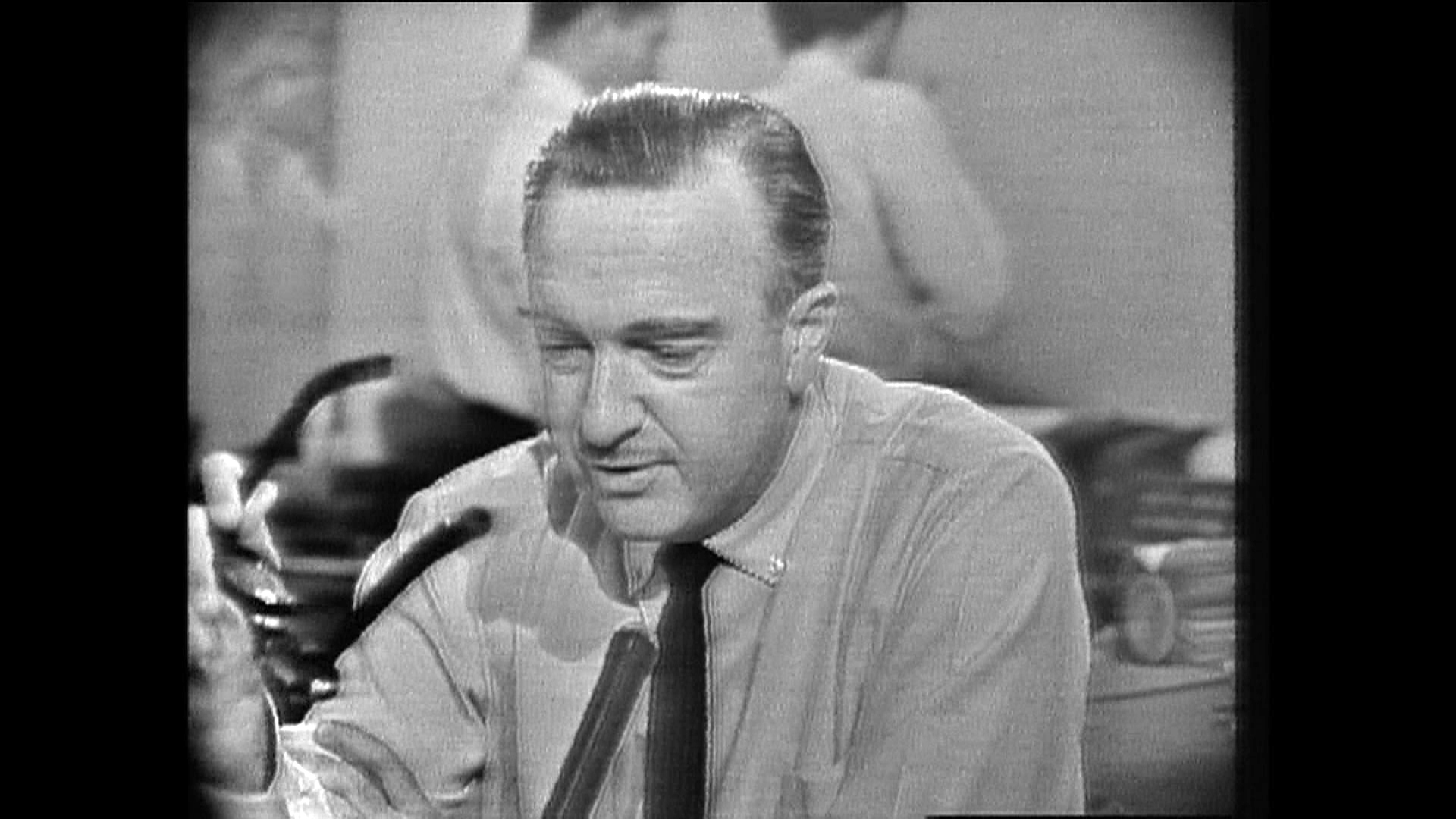
JFK_DAY1_DEATHANNOUNCEMENT

Legendary CBS News Anchor Walter Cronkite.

Whether you were old enough to watch this coverage unfold in real time on your black and white TV set in November 1963 or whether you were yet to be born, CBS News‘ landmark coverage of the assassination and the four days that followed promises to be as moving, riveting and ultimately as heartbreaking as it did back in the day.  It will be comforting, at least, to see beloved CBS news anchor Walter Cronkite carry the weight of the nation on his shoulders as the drama-filled reports started trickling in. 

The online stream, introduced by Face the Nation anchor Bob Schieffer, is set to begin at the exact minute the first breaking network TV news bulletin alerted viewers (then happily watching the popular soap opera, “As the World Turns”) that JFK had been shot in Dallas.  The four-day stream will culminate with JFK’s funeral coverage on Monday, November 25, 2013.  

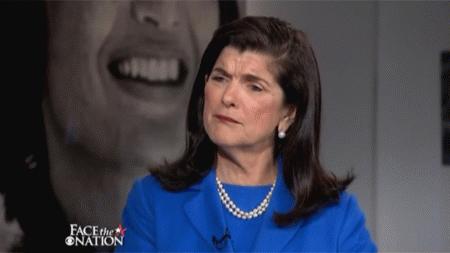
Fifty years ago, Bob Schieffer, then a young reporter at the Fort Worth Star-Telegram, conducted the first interview with Lee Harvey Oswald’s mother as they travelled en route to Dallas to see her son in custody.  On this past Sunday’s edition (11/17/13) of CBS News’ award-winning Face the Nation commemorating the 50th anniversary of President John F. Kennedy’s assassination, Schieffer interviewed another previously unheard player in the JFK assassination drama, Luci Baines Johnson.

Y8cRoDOuprDEnUEA_14465

Luci Baines Johnson.

On November 22, 1963, Luci, the youngest daughter of Vice President Lyndon B. Johnson and his wife, Lady Bird, was a sophomore at the National Cathedral School in Washington, D.C.  In this unprecedented interview, Luci vividly recalls how she and her classmates first heard the news that President Kennedy had been shot in Dallas, and how she wandered out onto school grounds, frightened and dazed.  Fearful that her parents were shot as well, she ran away from the Secret Service man sent to fetch her. 

Her recollections of the painful days and weeks that followed, most especially the prolonged funeral and mourning period leading up to her family’s expeditious move into the White House, are heartfelt and extremely touching.  Although our vantage points were quite different, Luci and I shared some common ground on November 22, 1963 … we were both 16 years old, we both lost our President, and our lives would never be the same.

My memories of that day are recalled in my previous blog post, American Experience Profiles JFK (11/11/13).  You can find Luci Baines Johnson’s at http://www.keyetv.com/news/features/featured/stories/luci-baines-johnson-remembers-jfk-assassination-5376.shtml   –Judith Trojan

(Note:  All of CBS News’ coverage of the 50th anniversary of the JFK assassination will be available at www.cbsnew.com/feature/jfk-assassination/ )

Posted in TV | Tagged , , , , , , , , | 6 Comments

American Experience Profiles JFK Tonight and Tomorrow Night on PBS

JFK_v2[1]

Senator John F. Kennedy in Boston, circa 1957. Photo: Douglas Jones. Photo collection, Library of Congress.

It’s hard to believe that 50 years have passed since President John F. Kennedy’s assassination in November 1963.  As a kid, in 1960, I vividly remember standing anxiously with my family and friends in front of our neighborhood White Castle hamburger joint waiting for Presidential candidate John F. Kennedy to arrive.  As his motorcade passed by, he stood and waved at us from an open car; we waved back and took photos and then gorged on White Castle burgers.  It was a great day.

I also remember vividly where I was in November 1963, three short years later, when the news came over our school intercom that President Kennedy had been shot:  I was in health class and our instructor proceeded to turn the tragedy into a teachable moment about gunshot wounds.  I don’t remember a thing she said. 

The days that followed were spent in grim silence in front of our TV watching nonstop black and white news coverage (CBS TV’s Walter Cronkite and Dan Rather were our eyes and ears) of the aftermath, including Vice President Lyndon Johnson’s ascent to the Presidency, the assassination of JFK’s supposed assassin and the President’s funeral to follow.  It was almost impossible to turn away from the TV or take time to eat or sleep.  The sun might have been shining throughout the ordeal, but I only remember it being cloudy and grey.   

As we approach the 50th anniversary of that awful day in November 1963 and the days that followed, we are about to be inundated with media coverage of the event and the Kennedy legacy.  American Experience gets the ball rolling tonight and tomorrow night with JFK, its latest installment in The Presidents series.  (JFK premieres in two parts on PBS on Monday and Tuesday, November 11 and 12, 9:00-11:00 p.m. ET, check local listings for regional and repeat airtimes).

Produced and directed by Susan Bellows for WGBH, Boston, JFK takes John F. Kennedy from childhood privilege, lackluster scholarship, crippling illnesses and wartime heroics through to his rise in the local and national political arena, his pivotal meeting and marriage to Jackie and election to the Presidency.  A host of notable historians, journalists, a niece and a few former JFK colleagues recall and reflect upon JFK’s life, work, flaws and legacy. 

Bellows’ two-part, four-hour miniseries, JFK, clearly owes much to Ken Burns, even going so far as incorporating a David McCullough sound-alike as narrator (actor Oliver Platt).  But Bellows’ roster of high minds, while accomplished, include a few who, most especially in Part 1, are incredibly cloying in their reverence for this child of wealth and privilege.  One erudite fellow, the former director of the Richard Nixon Presidential Library and Museum no less, is particularly annoying when he improbably and with great panache relates personal family anecdotes and dialogue he could never have been privy to. 

ST-C281-16-63

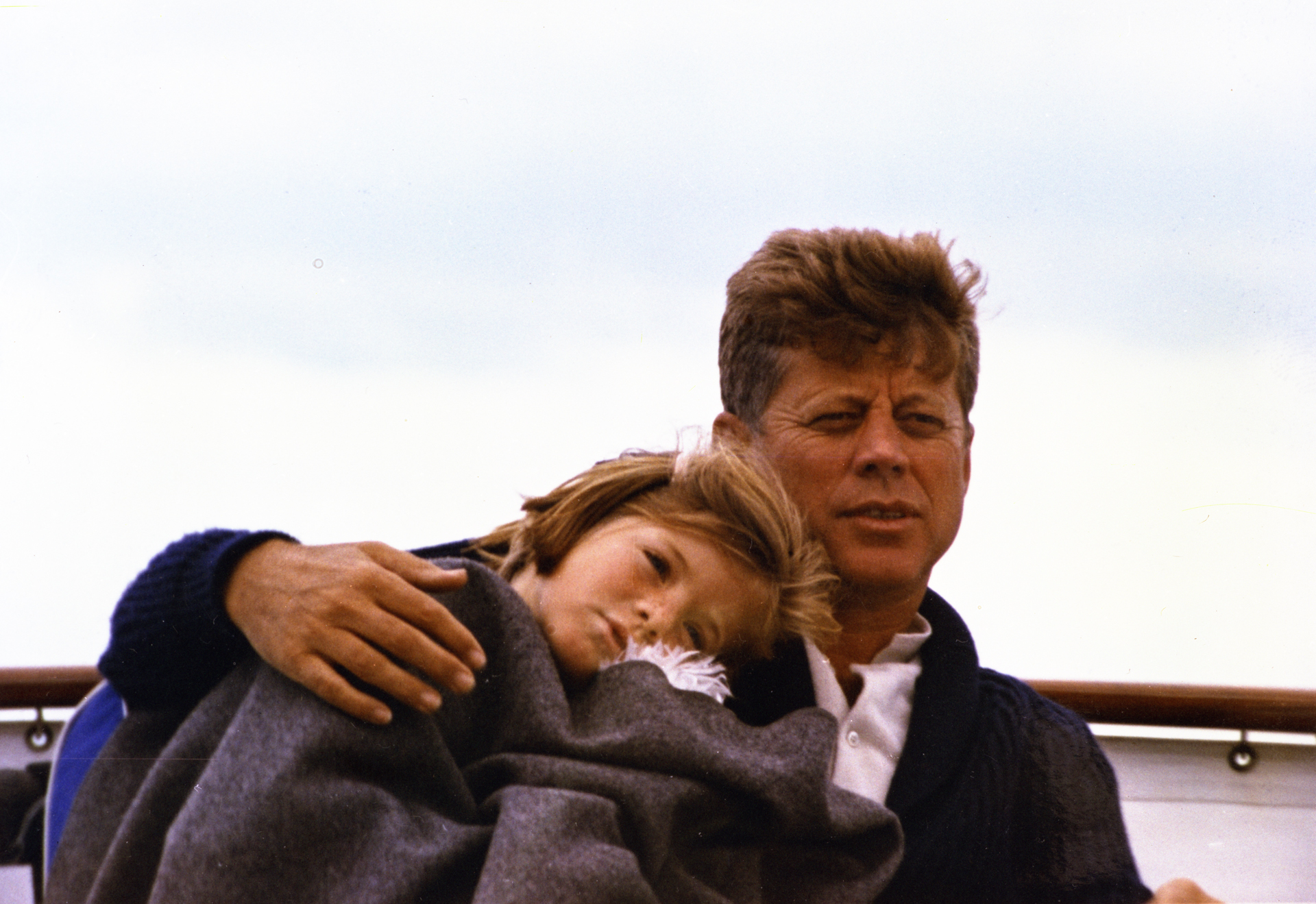
Caroline and her dad share a picture perfect moment. Photo courtesy John F. Kennedy Library.

JFK’s father, Joseph P. Kennedy, takes center stage in Part 1 and is clearly depicted as the relentless mastermind of his son’s career.  But, aside from his political misstep as Ambassador to Great Britain preceding our entry into WWII, Joe’s early life and darker side and impact (as role model) on the man JFK would become is never touched upon.  

If you find the anecdotes and family footage in Part 1 a tad too reverential, I encourage you to stick with this documentary and tune in tomorrow night for Part 2 (premiering on PBS, Tuesday, November 12, 9:00-11:00 p.m., ET, check local listings), when the stardust clears and several of the historians, journalists and JFK colleagues from Part 1 return to seriously analyze the challenges JFK faced during his short-lived presidency.  They are tough and hold no prisoners as they provide (alongside a rich compilation of period footage) a riveting picture of the flawed dynamics as well as the promise President JFK would exhibit during the Bay of Pigs catastrophe, Cuban Missile Crisis, escalating Civil Rights confrontations, and our entry into Southeast Asia. 

There are surprises to be gleaned in Part 2 as well, regarding JFK’s fascinating powerplay with Nikita Khrushchev, the shadowy backstage role played by Attorney General Robert F. Kennedy, the cover-ups and dangerous implications of JFK’s heavy use of steroids as painkillers and serial dalliance with women throughout the country and overseas who were not his wife. The reminder of how close we came to nuclear annihilation and how JFK defused it is, by far, one of the most important aspects of this fine film. 

I was programmed to fear A-bombs (via our duck and cover drills in grade school), and I admit to begging my dad to build a bomb shelter in our backyard. But as I stood munching White Castle’s faux hamburgers as a kid back in 1960, I saw JFK as a breath of fresh air.  I could never imagine the political missteps, sexual addiction and over-use of steroids that would plague his life and administration to come.  I know this now; but I also know that thanks to JFK, we never needed that bomb shelter and we had 50 more years to live and grow and enjoy hamburgers or veggie burgers as the case may be.  (And, amazingly, that White Castle of my youth is still standing and thriving!)–Judith Trojan

(American Experience: JFK premieres in two parts on PBS on Monday and Tuesday, November 11 and 12, 9:00-11:00 p.m. ET, check local listings for regional and repeat airtimes).

Posted in Film, TV | Tagged , , , , , , , , , | 2 Comments

Celebrate the 75th Anniversary of War of the Worlds Tonight on PBS

Orson Welles on the job.

Orson Welles on the job. Photo courtesy of Photofest, Inc.

It’s almost “Mischief Night” and, back in the day, if you ever enjoyed plotting a few sly schemes with a bar of soap, a roll of toilet paper and random doorbell ringing as a kid, you know what that means.  Good clean fun!

Seventy-five years ago, when my parents were young adults, October 30, 1938 kicked in like any other Mischief Night. But by 8:00 p.m. that Sunday evening, innocent pre-Halloween pranks took a backseat to the horror story unfolding on CBS Radio.

With no TV, Internet or smart phones in sight, young and old gathered around their radios, as usual, awaiting their favorite Sunday night programs, much as my generation did decades later with The Ed Sullivan Show at 8:00 p.m. on Sunday nights on CBS TV.

In 1938, radios were America’s lifeline, a rich source of news and entertainment.  While riveting theatrical dramas and groundbreaking comedy hours were immensely popular escapist fare, distressing breaking news reports were also a sign of the times.  The continuing economic free fall of the Great Depression, horrifying New Jersey-based tragedies like the Lindbergh kidnapping and Hindenburg firestorm, and international reports of Hitler’s growing menace in Europe all rattled Americans’ sense of stability.

On October 30, those who tuned in to the latest production of Mercury Theater on the Air on CBS Radio not only witnessed the creative explosion of 23-year-old theatrical writer/director/producer/actor Orson Welles‘ talents, but also an explosion of a much more frightening kind, one that would rattle the country’s nerves, already shredded by fear of the unknown.

If listeners tuned in to Mercury Theater on the Air at the show’s start time, 8:00 p.m., they learned that the Mercury players would be dramatizing H.G. Wells’ classic alien invasion novel, The War of the Worlds.  Such fun! Sheer entertainment!  However, the million-plus listeners who came late to the show (whether they were out on the town egging their neighbors’ houses or at home initially enjoying Sunday night radio favorites Edgar Bergen and Charlie McCarthy on rival network NBC) heard, instead, what sounded to them like breaking news reports about a Martian landing in Grover’s Mill, NJ.

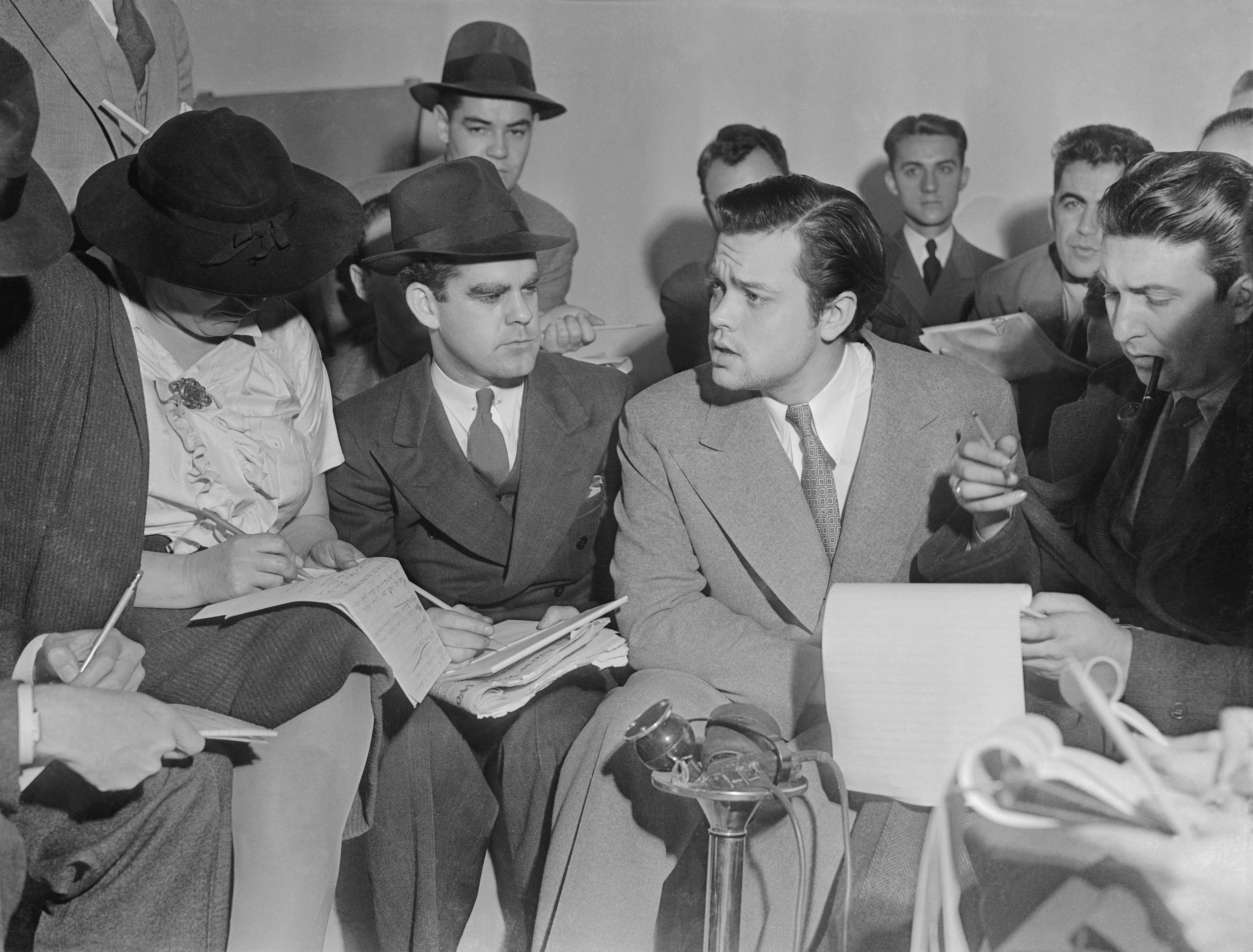
Pandemonium ensued in New Jersey and spread swiftly throughout the country; panicked Americans packed their belongings and ran en masse into the streets, hid in the hills, rang church bells and proclaimed the end of the world; tragedy followed. What turned out to be a Mischief Night prank to end all pranks catapulted the broadcast and the mass hysteria that it incited onto the front pages of every major newspaper worldwide and kicked Welles’ career into the stratosphere…after he had a lot of explaining to do at a follow-up press conference.

Welles fine-tuned his acting skills during an apologetic follow-up  press conference.  Photo courtesy of Corbis.

Welles cleverly fine-tuned his acting skills during an apologetic follow-up press conference. Photo courtesy of Corbis.

Tonight on PBS (Tuesday, October 29 @ 9:00 p.m. ET, check local listings), American Experience celebrates the 75th anniversary of this groundbreaking radio broadcast, the creative talent behind it, the public’s response to the show, for better or worse, and its evergreen implications with the debut of Cathleen O’Connell‘s crisply directed documentary, War of the Worlds.  The hour-long documentary is an enjoyable ride through the back story of the broadcast and provides new insight into Welles’ maverick spirit.

In retrospect, War of the Worlds was pure genius, a phenomenal use of the radio medium at its very best.  Welles’ daughter, Chris Welles Feder, is here to tell you how and why, as are a smattering of period historians and film pros like Peter Bogdanovich who clearly set the broadcast and its implications into its proper time and place.

The broadcast, not surprisingly, provoked many Americans to write emotionally charged letters about the evening as it played out.  O’Connell incorporates the letters via vintage “interviews” with some of the more colorful letter writers. These re-enacted segments are, at times, comical; but they more often than not also seem stilted and just too consciously “faux” to be believable.  However, O’Connell’s use of wonderful audio clips from the broadcast, as well as fascinating period footage, news clips and stills will keep you glued to your seat throughout this otherwise briskly paced documentary.

Celebrate “Mischief Night” a day early on your couch tonight via PBS (Tuesday, October 29 @ 9:00 p.m. ET, check local listings) by watching American Experience: War of the Worlds, a captivating tribute to a landmark radio broadcast and its visionary creator.  The documentary is also a timeless reminder of how media, at its best, can serve as conduits for outstanding entertainment and solid information but, in a climate of fear and instability, can be tools to incite mass hysteria.  Happy Halloween!—Judith Trojan

Note:  After its initial broadcast, American Experience: War of the Worlds will be available on DVD, via iTunes or watch at  www.pbs.org/wgbh/americanexperience/films/worlds/  J.T.

Posted in Film, Radio, TV | Tagged , , , , , , , , , | 2 Comments

56 UP Debuts on PBS

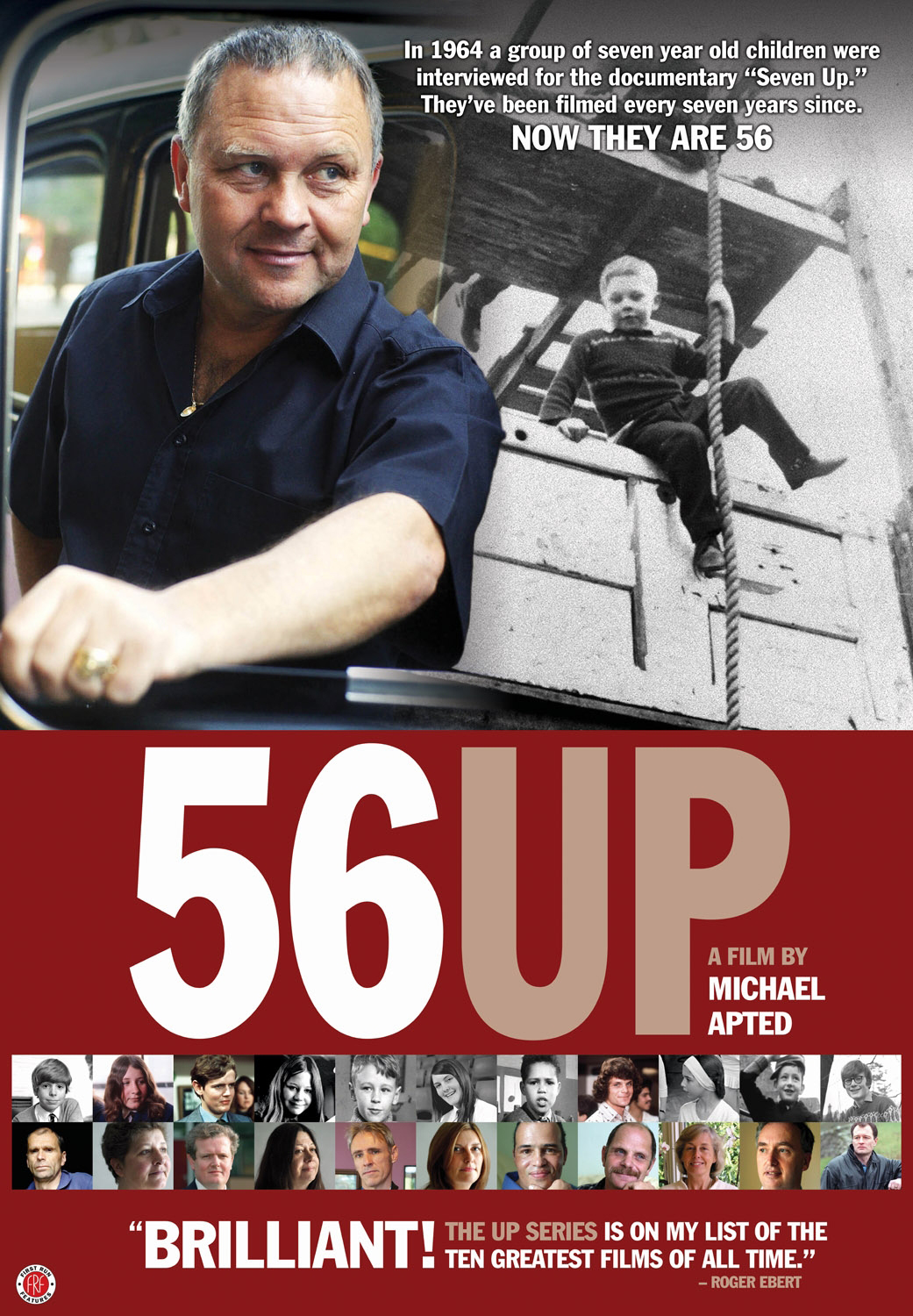
56up_poster“When I film 84 UP, I’ll be 99!”—director Michael Apted.

For half-a-century, ex-pat British director Michael Apted (Coal Miner’s Daughter, Gorillas in the Mist, The World Is Not Enough, The Chronicles of Narnia) has been passionately involved with the ground-breaking Granada TV project now known simply as The UP Series.  Driven by the Jesuit maxim, “Give me the child until he is seven and I will give you the man,” the documentary series debuted in 1964 focusing on 14 British seven year olds—10 boys and four girls—from diverse socio-economic backgrounds.

Fresh out of Cambridge University, Michael Apted initially joined the project as a researcher and corralled subjects who would ideally agree to be filmed again at seven-year intervals throughout their lives.  It was a concept without precedent that has since produced eight films and, for better or worse, sowed the seeds of the “reality TV” movement as we know it.

Fifty years later, the “children” are now 56 years old and, with one exception, still on board; and Apted subsequently directed the follow-up films:  7 Plus Seven, 21 UP, 28 UP, 35 UP, 42 UP, 49 UP, and the latest installment, 56 UP.  As his middle-aged subjects reflect upon their current lives since 49 UP—whether divorced, single or long married, with their children grown, their grandchildren multiplying, their dreams realized, stalled or forgotten—this is a powerful reminder that our lives, like theirs, truly matter, that our days and weeks and years add up to something that can only be called “destiny”and that opportunities of class, gender and race and the definition of “success” and “failure” are ever-changing.

jackie_lynn_sue_7

With their whole lives ahead of them, seven-year-old Jackie, Lynn and Sue were featured in SEVEN UP and, in middle-age, in Michael Apted’s 56 UP. A First Run Features release.

56 UP had a critically acclaimed theatrical release in the States earlier this year and debuts tonight on PBS-TV’s POV Indies Showcase (10 p.m. ET, check local listings).  I urge anyone with an interest in the evolution of documentary filmmaking and the birth of “reality TV” to tune in.  Although previous acquaintance with the subjects would enhance your appreciation of 56 UP, Apted incorporates enough clips from the earlier films to put his subjects’ current stage of life in perspective.  For example, I can’t imagine a dry eye in the house during the moving, revelatory flashbacks that juxtapose the challenges faced by these 56 year olds with the hopes and dreams they expressed as innocent seven year olds.

The UP Series is an incredible achievement, as film and sociology, and should be required viewing in schools, universities, church and museum settings, wherever the serious study and examination of documentary filmmaking, family life and socio-economic issues can be found.—Judith Trojan 

POV: 56 UP will be broadcast tonight, October 14, 2013, on PBS at 10:00 p.m. ET. Check local listings.  56 UP is also available on DVD, Netflix et al.  Be sure to check current availability of other titles in The UP Series as well.

Posted in Film, TV | Tagged , , , , , , , , | 7 Comments

American Masters Billie Jean King To Be Rebroadcast

Billie Jean King.

Follow a champion on and off the court in PBS TV’s AMERICAN MASTERS BILLIE JEAN KING. Photo: Kathy Willens.

If you care about the history of women’s sports in America and if you know or remember little or nothing about the key role that tennis champ Billie Jean King played in turning her sport into a professional enterprise, I urge you to check out the latest installment in the PBS American Masters series—Billie Jean King.

The first sports figure to be profiled in the 27-year-history of American Masters, Billie Jean King is given respectful coverage in this informative documentary that premiered nationally on Tuesday night but was partially preempted by President Obama’s address to the nation.  It will be rebroadcast in its entirety tonight on WNET/13 at 9:00 p.m. ET. Check local listings in your area for additional rebroadcasts or watch it online at Thirteen.org/AmericanMasters

The documentary, written, directed and produced by London-based filmmaker James Erskine with his producing partner,Victoria Gregory, is a straightforward profile of the tennis champ and social activist from her happy childhood in California to her rise to world tennis prominence and beyond.  With a record 20 Wimbledon titles and 39 Grand Slam singles, doubles and mixed doubles wins under her belt, Billie Jean King changed the face of women’s tennis by challenging and rectifying the disparity between men’s and women’s prize money.  Her efforts to elevate women’s tennis to professional standing were successfully realized when she helped form the Virginia Slims series, founded the Women’s Sports Foundation and Women’s Sports magazine, and co-founded World TeamTennis.

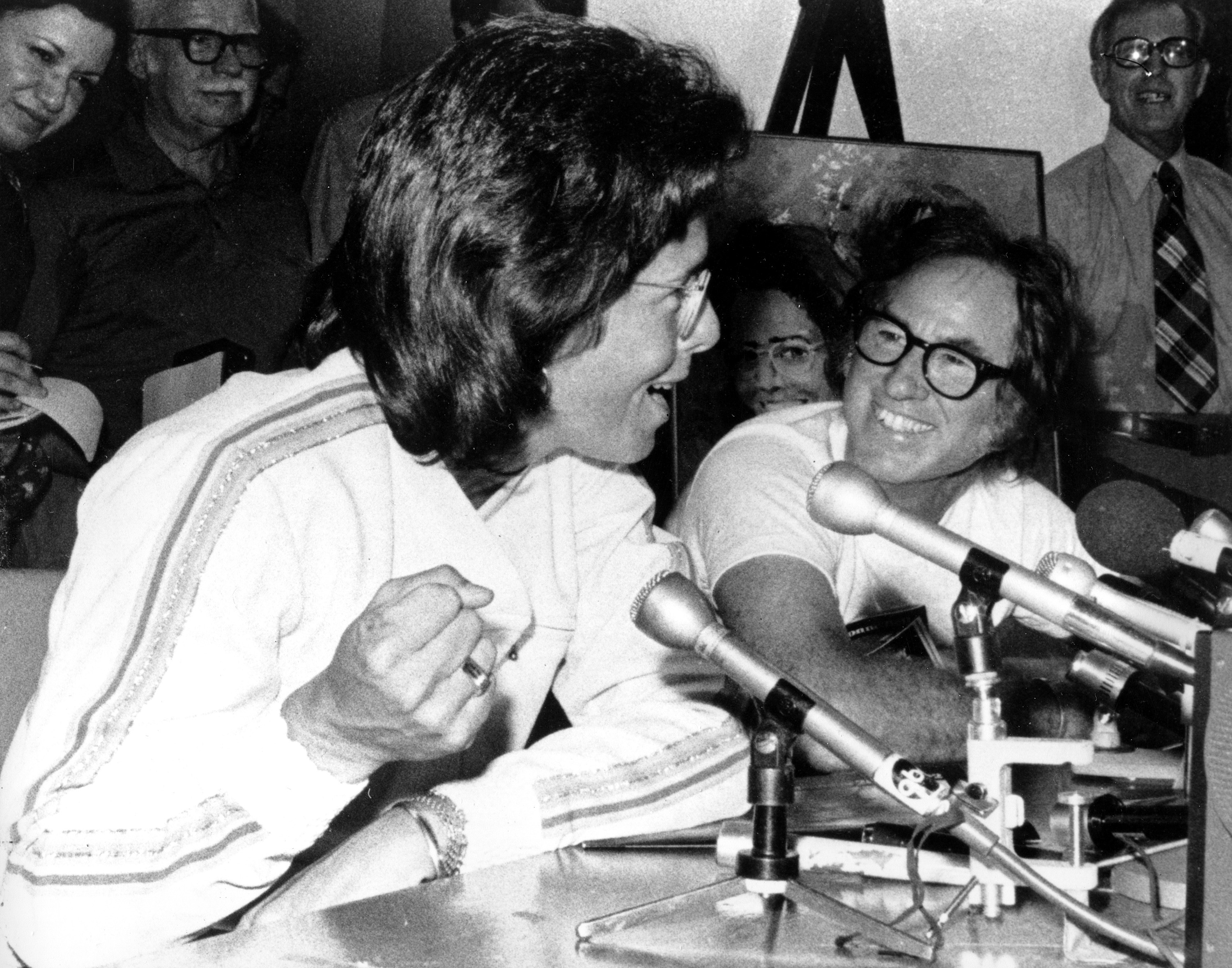
Billie Jean King and Bobby Riggs

Billie Jean King and Bobby Riggs meet for “The Battle of the Sexes” in September 1973. Photo: AP.

The film gains momentum during its coverage of the period leading up to and including the historic Billie Jean King vs. Bobby Riggs “Battle of the Sexes” match in Houston on September 20, 1973. The media hoopla preceding the match 40 years ago was unprecedented, and Billie Jean’s stunning win changed the face of women’s tennis for players of both sexes and for the American public at-large.

As she approaches her 70th birthday in November, Billie Jean, the first female athlete to receive the Presidential Medal of Freedom (2009),  is also front and center here as are recollections from a veritable who’s who of women’s tennis stars, past and present, including Margaret Court, Rosie Casals, Chris Evert, Maria Sharapova and Serena and Venus Williams who, no matter what their current age or standing, have benefited from Billie Jean King’s work on behalf of their sport.

The most fascinating reflections about the period come from Hillary Rodham Clinton, who as a young woman eagerly followed Billie Jean’s fight for equality during the early days of the feminist movement, and from Sir Elton John, a close friend and colleague in the fight for gay rights and HIV/AIDS awareness.  Insights into Billie Jean’s personal life off-the-court are best explored by ex-husband Larry King, who continued to support his wife after she was outed as a lesbian during a media firestorm, and from her devoted, laid-back brother Randy Moffitt, a former pitcher for the San Francisco Giants, Houston Astros and Toronto Blue Jays.

American Masters Billie Jean King will stir fond memories in audiences who lived through and enjoyed the years of Billie Jean King’s prominence; but the film will be especially relevant for young people—female and male, straight and gay—who, through no fault of their own, take much of what Billie Jean King accomplished for granted both on and off the court. —Judith Trojan

American Masters Billie Jean King will be rebroadcast in its entirety tonight on WNET/13 at 9:00 p.m. ET. Check local listings in your area for additional rebroadcasts or watch it online at Thirteen.org/AmericanMasters

Posted in Film, TV | Tagged , , , , , , , , | Leave a comment

The Heat … Women on the Verge, Pt. 1

The Heat

Better together? Two law enforcers (Sandra Bullock and Melissa McCarthy) bond on the trail of a perp in THE HEAT (20th Century Fox).

Movie-going this summer was an exercise in 3-Dementia:  Iron men, avenging aliens, zombies, animated monsters, upwardly mobile snails and Johnny Depp hamming and glamming the life out of iconic Tonto.  Not my cup of tea; although I do admit to having a fondness for the cast and characters featured in Monsters University 

So imagine my surprise when I scanned the recently released summer box office stats and found that the No. 1 comedy of the summer was none other than The Heat, a crime caper starring two women, Sandra Bullock and Melissa McCarthy.  According to The New York Times (Monday, Sept. 2), the Fox release took in $210 million worldwide.  Wow!!

Granted, The Heat is no work of art.  Its storyline is ripped from the pages of classic buddy cop films, the editing could use some tightening and the language is pretty raunchy; but its director, Paul Feig, has some quality TV comedy work under his belt and another comedy blockbuster (Bridesmaids) to his credit, so it’s not surprising that the laughs are nonstop.  Most of the credit for this film’s success, however, goes to the casting genius who paired the fearless comedienne, Melissa McCarthy, with America’s sweetheart, Sandra Bullock.

This duo has real chemistry and hopefully a future together in a sequel to this or another comedy worthy of their talents.  The plot here is pure summer escapist fare that has enough legs to keep you laughing well into the fall and winter.  Sparks fly when Bullock’s tightly wound, by-the-book career FBI agent jockeys to command a drug investigation in McCarthy’s Boston turf.  The latter, a rowdy cop who breaks every rule in the book, may turn crime-fighting into a perpetual brawl; but it sure is fun to watch her kvetch and clobber every obstacle in her wake.  Bullock and McCarthy are the Irene Dunne and Betty Hutton of 21st century comedy, kicked up a notch or two.

While the R-rated language is inappropriate for kids, The Heat is an entertaining, refreshingly female-centric adult comedy starring two of the most talented comediennes at work today with nary a 3-D robo cop, zombie or snail in sight. What more could a girl ask for?Judith Trojan

Note:  The Heat is currently slated for release on DVD on October 15 and Netflix on November 12.


Posted in Film | Tagged , , , , , , , , | 2 Comments

New 35mm Print of A Time for Burning to Debut at BAM

On Wednesday night, August 21, at 7 p.m., if you are in the vicinity of Brooklyn, New York, you would be wise to scoot over to BAM (the Brooklyn Academy of Music/Peter J. Sharp Building) for a rare opportunity to see the new 35mm print struck by the Academy of Motion Picture Arts and Sciences (AMPAS) of the Oscar nominated documentary, A Time for Burning, and to meet and greet the film’s legendary director, Bill Jersey.  Hailed as “the best Civil Rights film ever made,” A Time for Burning will be followed by a Q&A with Bill who is anxious to introduce the film to a new generation of filmgoers. 

Last year, I had the pleasure of interviewing my friend Bill for a profile, Brush with Greatness, published in Edge magazine (for the full article about his life and career as a filmmaker and as a prolific painter as well, including photos of his paintings, click on the link http://www.edgemagonline.com/home15.htm).  To underscore the importance and timeliness of A Time for Burning, especially in the aftermath of the recent Trayvon Martin debacle, I’ve excerpted my piece below. 

From Brush with Greatness, a profile of Bill Jersey, by Judith Trojan

best Bill Jersey photo with camea

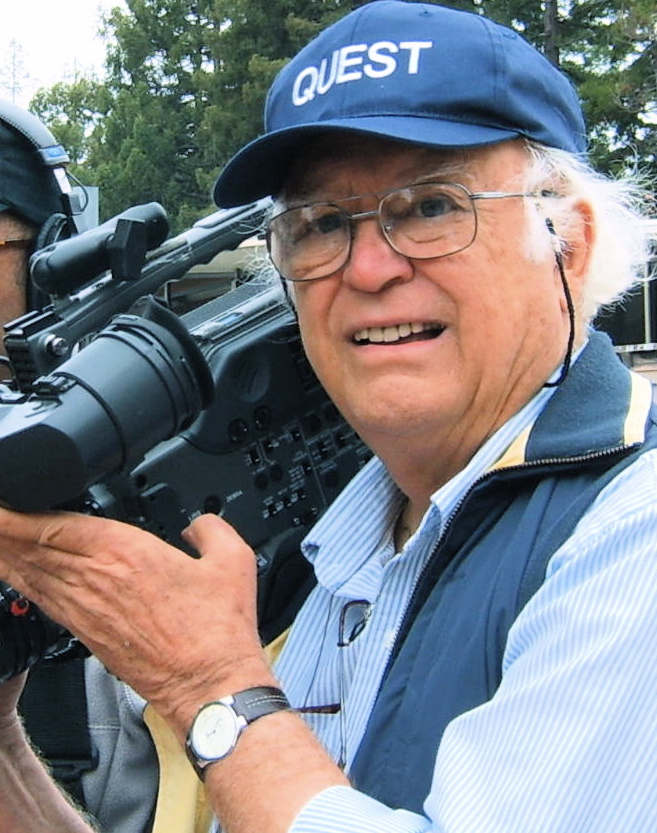
Legendary documentarian Bill Jersey.

How do you segue from a gig as Art Director of the 1958 sci-fi potboiler, The Blob, to become one of the pioneers of the cinema vérité movement? If your name is Bill Jersey, you grab your camera, prop it on your shoulder and never look back. The legendary documentary filmmaker—now a robust 86 and a fixture in the Lambertville, NJ, arts community—laughs that his Fundamentalist upbringing on Long Island hardly predicted his future stature as a cinematic trailblazer. In fact, Jersey never saw a film until he ran off to join the Navy. He was 17.

“The first film I saw was on the USS Arkansas, a battleship that I went on to the South Pacific,” recalled Jersey from his home office along the banks of the Delaware River. “I enlisted in the Navy to get away from home. It was my escape.”

The G.I. Bill helped bankroll his undergraduate studies in art. “Studying art in college was the only thing I could do that was acceptable to my parents,” he said. “I couldn’t go to the movies, dance, drink, smoke, swear or play cards.” After graduation, he put his paint box in mothballs and tested the waters at Good News Productions, a religious film company in Valley Forge, PA.

“I told them I didn’t know anything about film,” said Jersey. “They hired me anyway, and I learned how to be an art director. I also realized how little I knew.” So he headed West to graduate film school at the University of Southern California. Graduating in 1956, he dipped his toe in the B-movie drama pool as Art Director of The Blob, Manhunt in the Jungle and 4D Man. But he was primed for documentaries.

“There was something about wanting to connect to people in the real world and finding them much more interesting than working with actors with a script,” he said. “If you really care about people, they will know it, and they will open themselves up to you. And that’s what makes a good documentary.”

In 1960, Jersey launched Quest Productions and began attaching his own vision to a slate of industrial films for corporate giants Western Electric, Exxon and Johnson & Johnson. He won his first Emmy Award in 1963 for directing Manhattan Battleground for NBC-TV’s DuPont Show of the Week. Ever the maverick, Jersey never felt compelled to toe the company line.

“I don’t do ‘promotional’ films,” he emphasized. “I found you have to really try to understand the company better than they do. I try to give them what they need, even though frequently they would not describe their needs that way. The only way is by taking the big risk, the hero’s journey, to look at things honestly.”

Jersey got a chance to kick-start that journey when he filmed A Time for Burning in 1965. Commissioned by Lutheran Film Associates, the cinema vérité Civil Rights documentary records the failed mission of young Lutheran Pastor Bill Youngdahl to integrate a large, all white church in Omaha. A Time for Burning tracks the crises of conscience and faith that arose when the minister encouraged his white congregation to engage with black congregants from a neighboring Lutheran church. Despite his gentle, faith-based approach, Pastor Youngdahl’s impact on Omaha’s Lutheran community proved to be, as Jersey predicted, incendiary.

“The Lutherans wanted a film about the church and race,” he recalled. “So I found a minister who had an integrated church in New Jersey and was being called to a big all-white church in Omaha. I knew he’d want to integrate it, and that there could be some tension. I met with the minister, who said, ‘You can do a film here, there’s no problem.’ And I thought, ‘Well, that’s what you think.’

“Look,” added Jersey, “the church didn’t need a film about a minister getting kicked out of his church. They needed a film about how wonderful the church was, and how Jesus was going to be loving to everybody.”

Unencumbered by a script, narrator, captions, timelines or media stars and filmed with a minimal crew, A Time for Burning became a benchmark Civil Rights documentary that subsequently received critical acclaim, an airing on most PBS stations nationwide, and an Oscar nomination. It thrust Jersey to the forefront of the cinema vérité movement where he has remained for almost 50 years, producing and directing independent documentaries on such hot button issues as racism, criminal justice, gang violence, AIDS, Communism and integration.

“For me, cinema vérité means letting the truth drive the story,” explained Jersey. “I don’t set out to prove anything—as many documentarians do. The difference between me and others is that I believe in being a participant observer. I explore options with my participants in the belief that our encounters will open them up to seeing more of themselves—not to see themselves as I see them. It’s a tricky business; but in my view, it’s an essential part of being a documentarian.”

A Time for Burning continues to be a staple in film schools where Jersey is a sought after guest lecturer. In 2004, the film was selected by the Library of Congress for preservation in the prestigious National Film Registry.

Despite his résumé of more than 100 films, Bill Jersey—with typical self-effacement—claims to have lost count of the awards and honors he’s received. In the mix are names like Emmy, Oscar, Peabody, DuPont Columbia, Christopher, Gabriel, Cindy and Cine Golden Eagle. He continues in the winners’ circle, most recently garnering a Peabody Award for Eames: The Architect and the Painter. The documentary profile of visionaries Charles and Ray Eames had a healthy theatrical release in late 2011 prior to debuting on PBS as part of the American Masters series in 2012.—Judith Trojan

Note:  For those of you who can’t make it to Brooklyn on Wednesday night for your 35mm fix, you can find A Time for Burning and Eames: The Architect and the Painter on DVD, Netflix et al and online (Burning).

Posted in Film, TV | Tagged , , , , , , , | 1 Comment

Rebel Honors Latina Soldier in the American Civil War

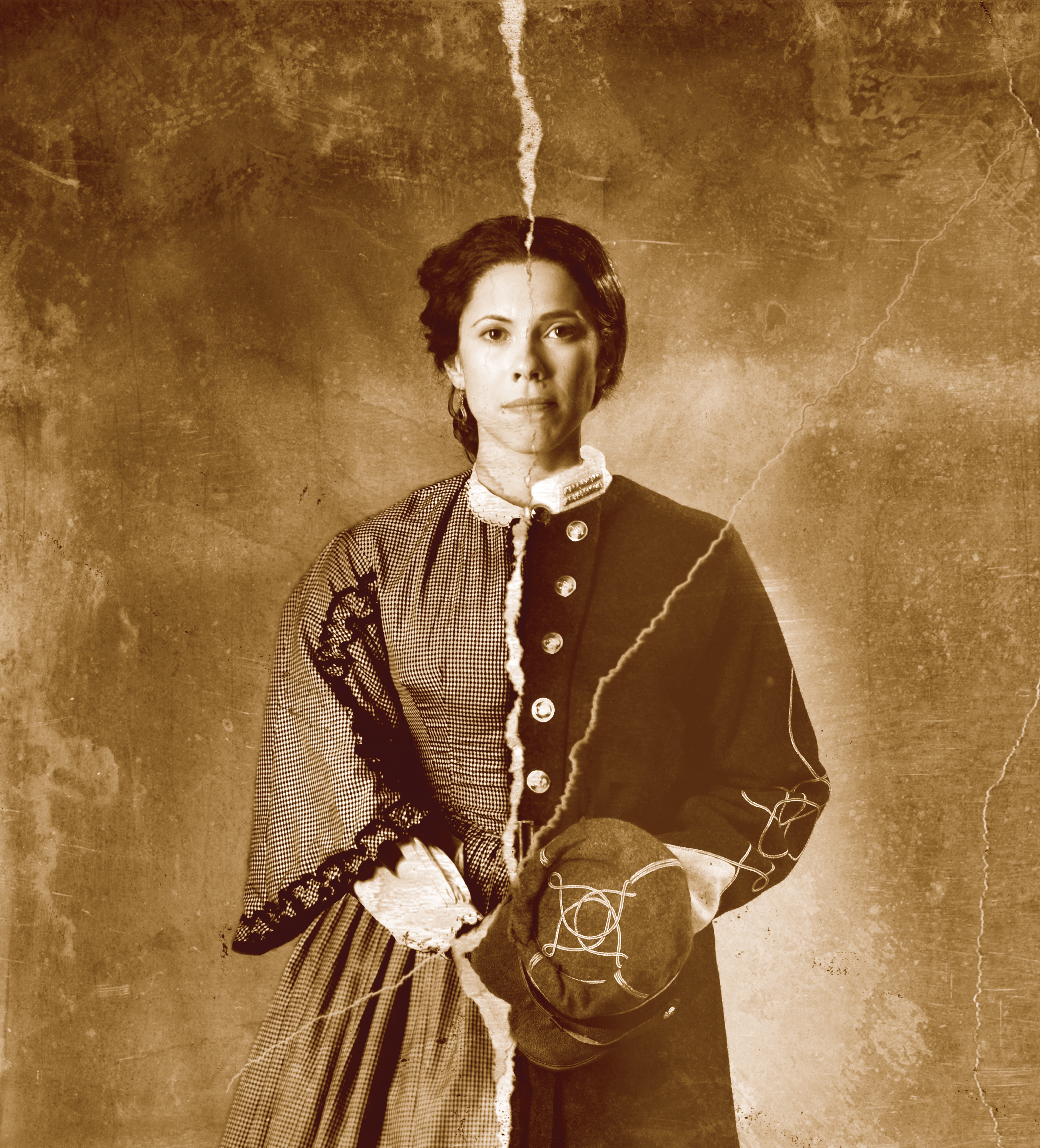
Romi Dias as Loreta Janeta Velazquez in Rebel

Romi Dias stars as Loreta Janeta Velazquez, Civil War soldier and spy, in VOCES: REBEL. Photo: Gerard Gaskin.

I’m generally not a fan of documentaries that incorporate dramatic re-enactments into the mix. However, I applaud filmmaker María Agui Carter—Rockefeller fellow and native of Ecuador—who includes some quite lovely and effective dramatic moments in her new hour-long film, Rebel, premiering on PBS on Memorial Day weekend (Check local listings for repeat airdates and times).

Rebel, a presentation of the Latino Public Broadcasting series VOCES on PBS, encapsulates the remarkable life story of Loreta Janeta Velazquez—Cuban immigrant, Confederate soldier and Union spy.

Combining archival photos, articulate commentary from Latinx and American Civil War historians, and narrative from Loreta’s autobiography in voice over with dramatic re-enactments featuring actress Romi Dias (El Cantante) as Loreta, Rebel sheds overdue light on one of the “estimated 1,000 women who secretly served as soldiers” during the American Civil War.

The film is a real eye-opener, even more so because it honors a dedicated immigrant soldier, a Latina, born to a privileged Cuban family who, as a young girl, was shipped off to New Orleans to be educated, refined and assimilated into the cultural elite.  Snubbing her nose at an arranged marriage, she married a young Texan soldier for love and bore his three children.

After the tragic loss of her children and husband, Loreta reinvented herself to support the war effort in her adopted land.  She disguised herself as a man and, under the name of Harry T. Buford, served first as a soldier in the Confederate Army (during which time she travelled with a slave) and later as a Union spy.   Woman in Battle Book CoverLoreta’s subsequent 600-page memoir, The Woman in Battle (originally published in 1876), in which she again defied convention by documenting the ravages of war, subjected her to condemnation as a liar and prostitute. Her actual existence was questioned as well, but has subsequently been documented by scholars.

“Loreta Velazquez was a rebel who flouted all the rules to become a part of American history,” underscores writer/producer/director María Agui Carter.

I encourage you to watch Rebel and spread the word. Loreta’s memoir remains in print (University of Wisconsin Press) and should make for fascinating reading as well and provide a springboard for discussion with young people and women’s groups. Her story has all the earmarks of a riveting novel and cries out for a larger canvas, a definitive dramatic feature film for sure.

There have been no shortage of dedicated nurses serving on the battlefield throughout our history, but I can’t remember any mention of female (cross-dressing) soldiers in the Civil War in my textbooks or anywhere else for that matter.  Memorial Day, originally called Decoration Day, was rooted in the Civil War circa 1868, so VOCES on PBS should be commended for premiering Rebel during Memorial Day weekend…it’s perfectly timed to set the record straight and begin the dialogue. (Check local listings for airdates and times.)Judith Trojan

Posted in Books, Film, TV | Tagged , , , , , , , , , , | 1 Comment

Mel Brooks Makes a Noise on American Masters Tonight

AM-Mel-Brooks_keyart_cMichael-Grecco

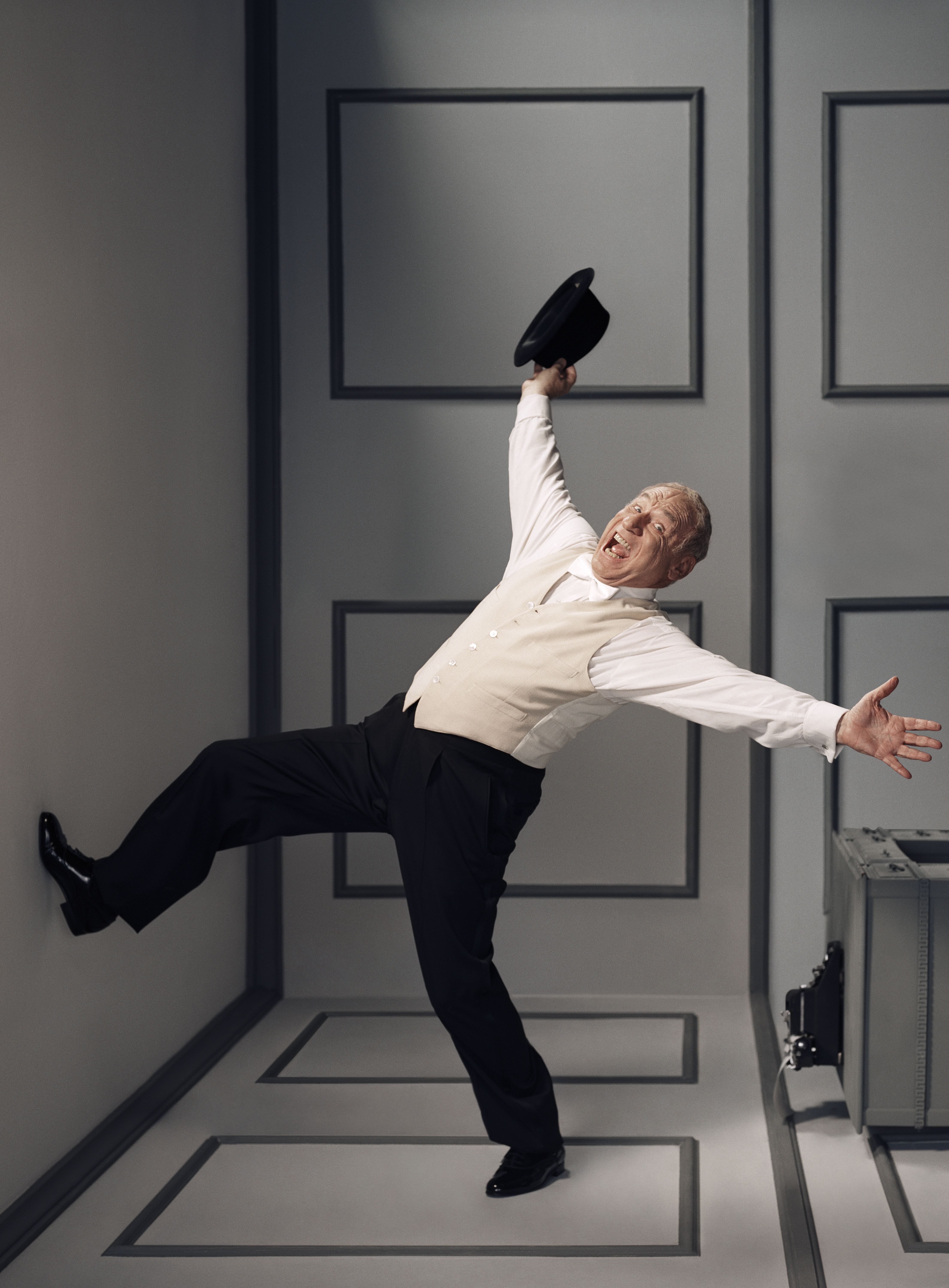
PBS-TV’s AMERICAN MASTERS corners a comedy legend in MEL BROOKS: MAKE A NOISE. Photo: Michael Grecco.

On June 6, the American Film Institute will bestow their 41st Life Achievement Award on Brooklyn’s own Melvin J. Kaminsky.  Melvin joins a stellar list of previous AFI recipients with such notable monikers as Bette Davis, James Stewart, Henry Fonda, Fred Astaire and Alfred Hitchcock, to name a few.

Melvin, the childhood hambone, itinerant drummer and Catskill Borscht Belt entertainer-cum-screenwriter, playwright, producer, director, tunesmith, actor, comedian and raconteur, is only one of 14 individuals on the planet to have won Emmy, Grammy, Oscar and Tony Awards.  He’s well-known to diehard comedy fans as “The 2000 Year Old Man.”  In short (and he’s proud to be vertically challenged), he’s known in the trade as Mel Brooks.

Whether or not you catch Mel’s truncated AFI tribute special on TNT in late June (date and time tba), be sure not to miss American Masters—Mel Brooks: Make a Noise premiering nationally on PBS tonight, Monday, May 20, at 9:00 p.m. EDT/PT (Check local listings).

Unlike the annual AFI tributes which have deteriorated into tiresome lovefests, Mel Brooks: Make a Noise gives Mel just enough leg room (casually dressed and seated at a table on a barebones soundstage) to tell his remarkable life story without the temptation to rearrange the furniture or rewrite the script. Filmmaker Robert Trachtenberg keeps Mel on track by lobbing sharp questions his way from just out of camera range and embellishes the comedy legend’s career trajectory with well-chosen film and TV clips, archival  footage and photos, and current and vintage commentary from colleagues and friends.

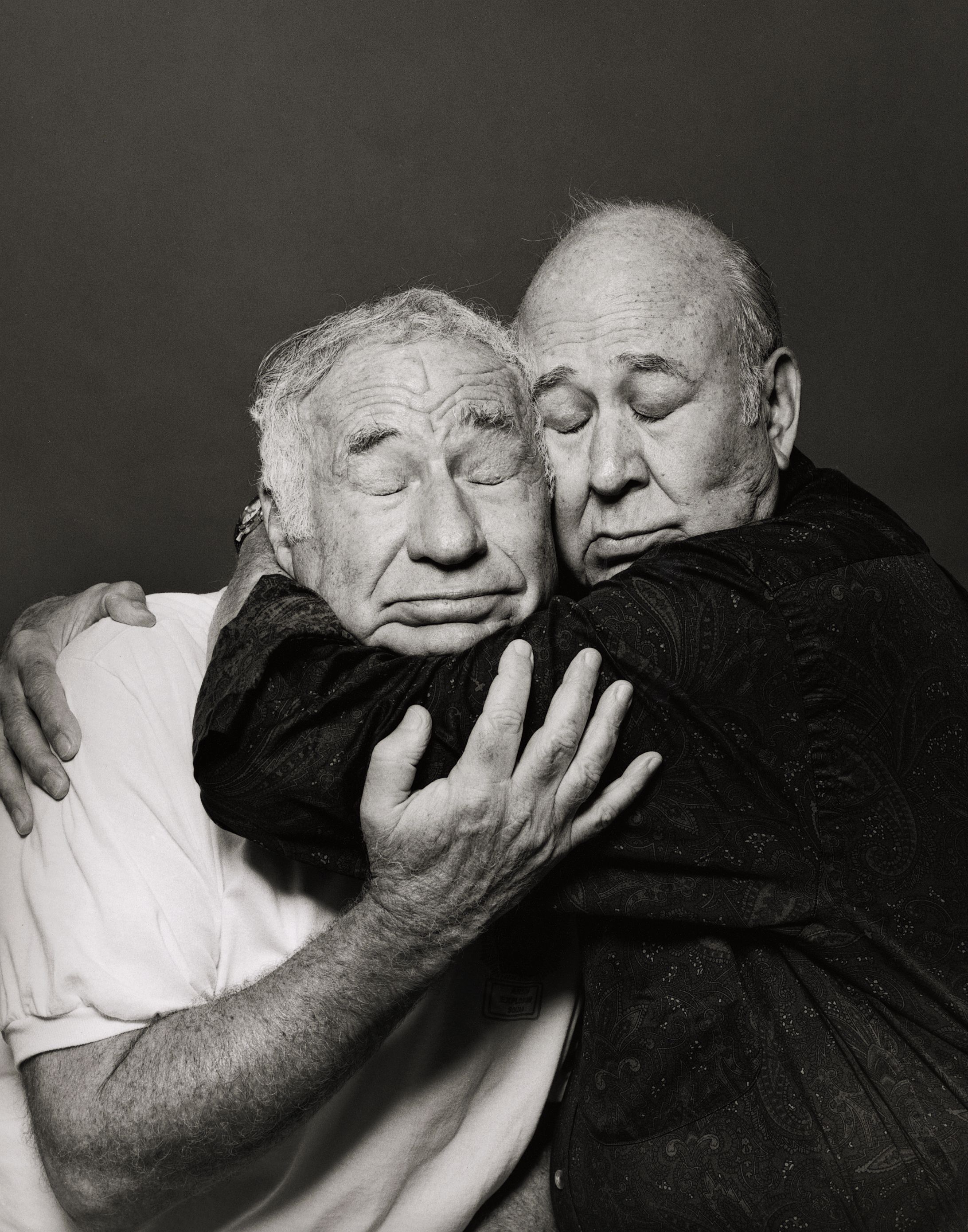
MEL_CARL_REINER_2001

Old friends and co-conspirators Mel Brooks and Carl Reiner share a moment. Photo: Robert Trachtenberg.

Nathan Lane, Matthew Broderick, Susan Stroman (The Producers); Carl Reiner (writing partner and co-creator of The 2000 Year Old Man); the Young Frankenstein crew (Gene Wilder, Cloris Leachman and the late Marty Feldman and Madeline Kahn); directors Rob Reiner, Barry Levinson and Richard Benjamin; and fellow comedy performers Joan Rivers, Tracey Ullman and Richard Lewis, among others, examine the serious and not-so-serious side of Mel’s quixotic mind and workplace.

Kudos go to writer, director, producer, interviewer Robert Trachtenberg, who also serves as a masterful co-editor here (with Asako Ushio) and to the Award-winning PBS executive production team at American Masters (Series Creator and Executive Producer Susan Lacy, Series Producer Prudence Glass and Supervising Producer Julie Sacks) for backing this fine film. The clips from Mel’s early TV work on Your Show of Shows and such film classics as The Producers, Blazing Saddles, Young Frankenstein, Spaceballs, History of the World: Part 1 and To Be or Not To Be are carefully chosen, hilarious and seamlessly integrated into this artful, often touching bio.

The rewinds of Mel’s clever Tony and Oscar acceptance speeches are also included; but the film and TV clips are mere backdrops to his own colorful anecdotes about the high and low points of his career, his reflections on the early loss of his father and enduring love for his mother, his respectful acknowledgement of legends Sid Caesar and Alfred Hitchcock and, most especially, first wife Florence and second wife Anne Bancroft, to whom Mel was married for 41 years until her death in 2005.  There are numerous surprising revelations in this film; for example, it will come as a surprise to some and reminder to others that writer/director/producer Mel Brooks not only broke comedy barriers in film with once controversial, now legendary shtick but also championed  (as executive producer) such serious-minded arthouse dramas as The Elephant Man, Frances and 84 Charing Cross Road.

American Masters—Mel Brooks: Make a Noise chronicles the life, work, passions and high anxieties of a multi-talented, complicated comedy legend and will have you laughing out loud every five minutes.  Evergreen, engrossing and extremely entertaining, the film is sure to have a long shelf life and garner some awards of its own down the road.  Enjoy its premiere tonight at 9 p.m. EDT/PT on PBS (and check local listings for repeat airdates).  A DVD with bonus material promises to be available from Shout Factory on Tuesday, May 21.—Judith Trojan

Posted in Film, Theater, TV | Tagged , , , , , , , , | 2 Comments